

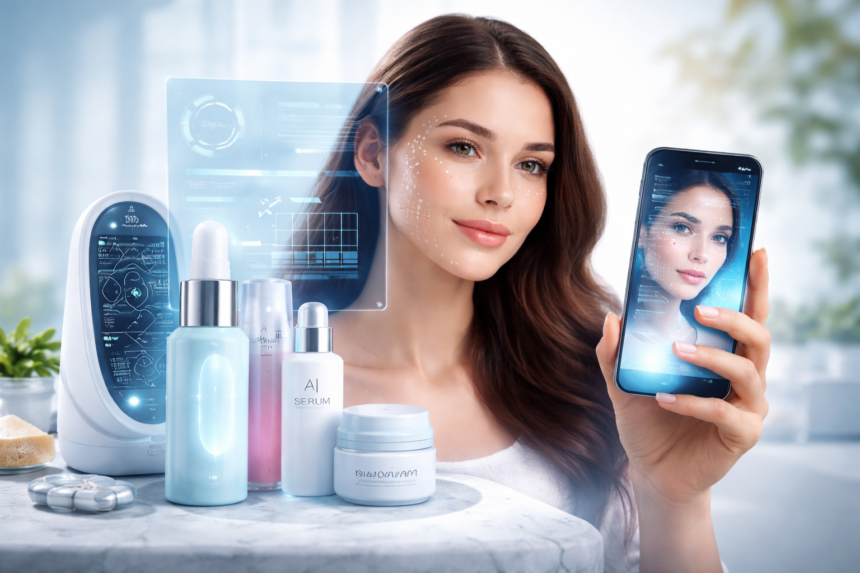
For decades, skincare followed a familiar formula: identify your skin type, buy a recommended product, and hope for visible results. But as technology reshapes industries from healthcare to finance, the beauty world is experiencing its own quiet revolution. Artificial intelligence is transforming skincare from a generalized routine into a deeply personalized science — one where algorithms, data, and dermatological research converge to create solutions tailored to individual skin needs.
The traditional skincare market has long relied on broad categories such as “dry,” “oily,” or “combination” skin. While helpful as a starting point, these classifications barely capture the complexity of human skin. Factors like genetics, climate, diet, stress levels, pollution exposure, and even sleep patterns influence how skin behaves. AI-driven skincare aims to decode this complexity.
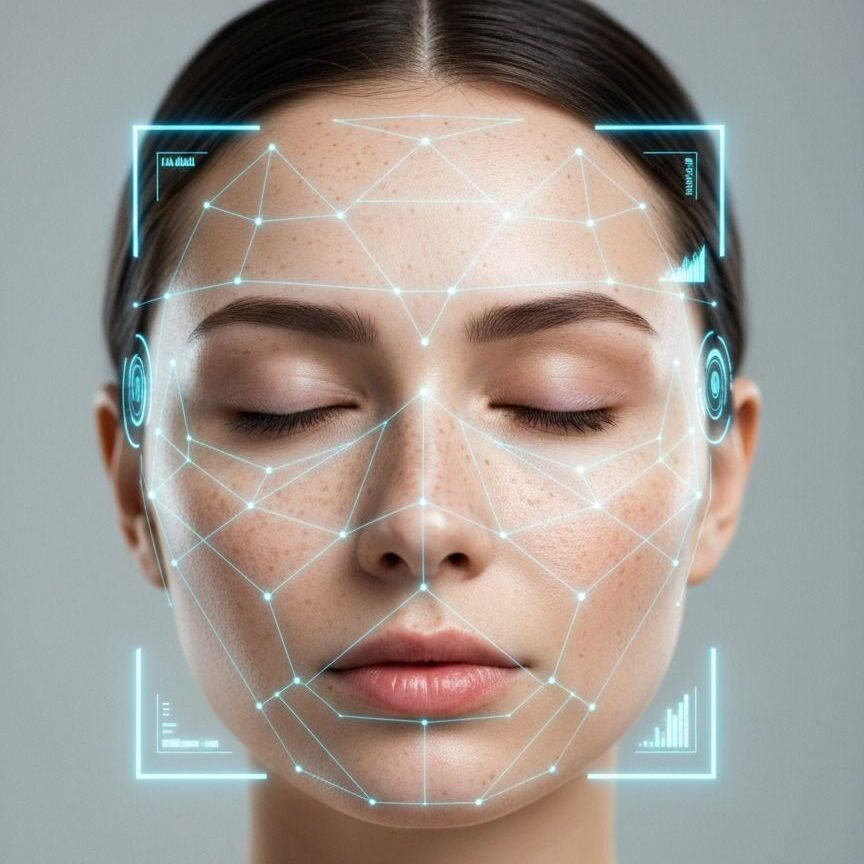
Today, advanced skin analysis tools powered by machine learning can examine hundreds of variables through smartphone cameras or specialized devices. These systems analyze details such as hydration levels, fine lines, pigmentation, and pore size to generate highly personalized skincare recommendations. What once required an in-person consultation with a dermatologist can now begin with a few seconds of digital scanning.
The concept goes even further with data-driven product formulation. AI algorithms are increasingly being used to identify ingredient combinations that address specific skin concerns. Instead of purchasing a generic moisturizer or serum, consumers may receive formulations customized for their skin’s exact needs — whether targeting early signs of aging, uneven tone, or environmental damage.
Major beauty brands are already experimenting with this approach. Some companies offer smart devices that scan the skin and dispense personalized skincare products on demand. Others use mobile apps that track changes in the user’s skin over time, adjusting recommendations based on weather conditions, lifestyle patterns, and ongoing skin responses.
The implications extend beyond convenience. Personalized skincare powered by AI could significantly improve product effectiveness. By analyzing large datasets of skin types, ingredient interactions, and treatment outcomes, AI systems can identify patterns that human researchers might overlook. This allows brands to develop formulations backed not only by dermatological expertise but also by predictive analytics.
However, the rise of AI-driven beauty also raises important questions. Data privacy is one of the most pressing concerns. Since these systems rely on detailed personal information, including facial images and health-related data, companies must ensure that consumer information is stored and used responsibly. Transparency around how data is collected and processed will be essential for building long-term trust.
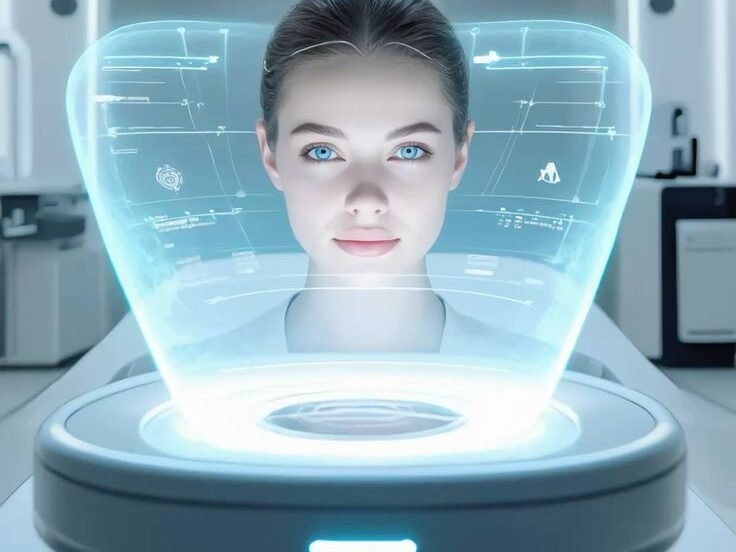
Another challenge lies in balancing technology with human expertise. While AI can analyze vast amounts of data, dermatologists and skincare professionals remain critical in interpreting complex skin conditions and providing medical guidance. The most effective future likely lies in collaboration between human expertise and intelligent technology.
Looking ahead, the future of personalized beauty could become even more sophisticated. Advances in biotechnology, wearable sensors, and real-time skin monitoring may soon allow skincare routines to adapt dynamically throughout the day. Imagine products that adjust their formulation based on humidity levels, UV exposure, or hormonal changes.
In many ways, AI-driven skincare represents the next chapter in beauty innovation — one where technology moves beyond trend and becomes a tool for truly understanding the individuality of human skin. As artificial intelligence continues to evolve, the promise of skincare tailored precisely to each person may no longer be a luxury, but the new standard for the beauty industry.