

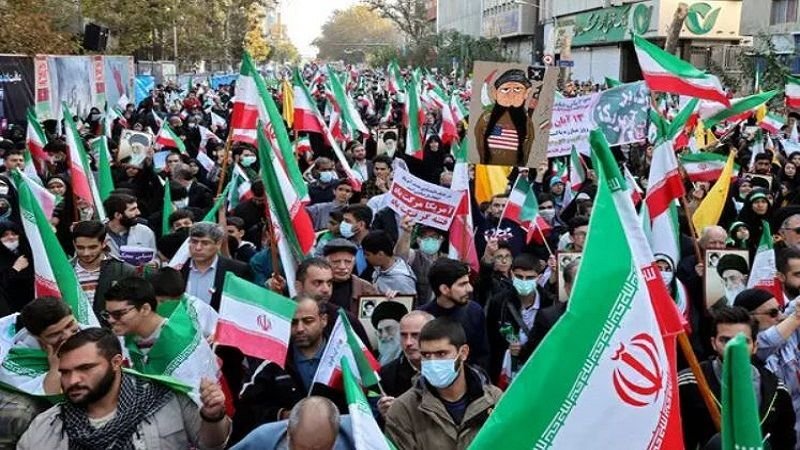
The 2025–2026 Iranian protests represent one of the most sustained and complex periods of public unrest in Iran’s recent history. Unlike earlier waves of demonstrations driven by a single trigger, these protests reflect deep-rooted economic, social, and political frustrations that have built up over years. Together, they reveal a society grappling with rising expectations, limited opportunities, and a growing disconnect between the state and its citizens.
What Sparked the Protests?
At their core, the protests were fueled by economic pressure. High inflation, currency instability, unemployment, and the rising cost of basic goods placed immense strain on ordinary Iranians. Young people, in particular, faced shrinking job prospects despite higher levels of education and global awareness.
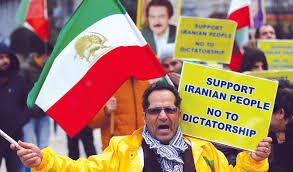
Economic frustration was compounded by social and political grievances. Many protesters voiced concerns about restrictions on personal freedoms, lack of political accountability, and limited avenues for meaningful civic participation. For women and younger generations, these concerns were often tied to everyday life—education, work, expression, and autonomy.
Rather than a single incident igniting unrest, the protests emerged as a rolling movement, spreading across cities and regions as dissatisfaction accumulated.
Who Is Protesting?
One defining feature of the 2025–2026 protests is their diverse participation. Demonstrators included students, workers, professionals, and small business owners. While urban centers played a visible role, unrest was not limited to major cities; smaller towns and economically marginalized regions also saw demonstrations.
This broad participation suggests that grievances extended beyond one demographic group. Instead, they reflected shared concerns about economic security, fairness, and the future direction of the country.
The Government’s Response
Iranian authorities responded with a mix of security measures and official messaging aimed at restoring order. State media emphasized stability and warned against external interference, while officials promised reforms in limited areas such as economic management.
However, many protesters remained skeptical. Past experiences have made sections of the population wary of reform pledges that fail to translate into lasting change. The gap between public expectations and government action continues to be a central tension shaping the protest movement.
The Role of Technology and Information
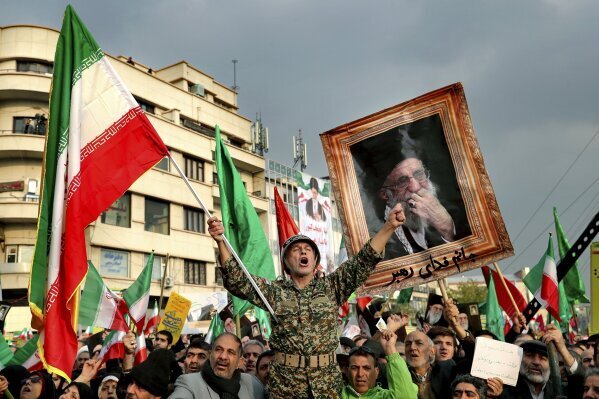
Digital platforms played a significant role in shaping the protests. Social media helped spread information, organize gatherings, and amplify voices that might otherwise go unheard. At the same time, the digital space became a contested arena, with authorities attempting to manage narratives and limit coordination.
This dynamic highlights a broader trend: technology has become inseparable from modern protest movements, offering both opportunities for expression and challenges for control.
International Attention and Global Implications
The protests drew significant international attention. Foreign governments and human rights organizations closely monitored developments, while Iran’s leaders framed much of the unrest as influenced by outside actors.
Globally, the protests raised questions about regional stability, energy markets, and diplomatic relations. Iran’s internal dynamics have long had international consequences, and prolonged unrest adds uncertainty to an already complex geopolitical landscape.
What Do the Protests Mean for Iran’s Future?
The long-term impact of the 2025–2026 protests remains uncertain. On one hand, sustained public pressure signals that large segments of Iranian society are no longer willing to remain silent about economic hardship and social restrictions. On the other hand, structural change in Iran has historically been slow and tightly controlled.
What is clear is that these protests reflect a generational shift. Younger Iranians are more connected to the world, more informed, and more vocal about their aspirations. Even if immediate political change does not occur, the ideas and demands expressed during this period are likely to shape Iran’s social and political discourse for years to come.
Conclusion
The 2025–2026 Iranian protests are not an isolated episode but part of a broader story about governance, economic pressure, and social change. They highlight the challenges Iran faces in balancing stability with reform and tradition with evolving public expectations.
Whether these protests lead to meaningful transformation or gradual adjustment, they have already left a mark—demonstrating that beneath the surface of the Iranian state lies a society actively questioning its future.