


In today’s competitive ecommerce landscape, traditional advertising alone is no longer enough to capture attention or build trust. Consumers increasingly rely on recommendations from people they follow and admire online. This shift has made influencer marketing one of the most powerful tools for online stores looking to grow brand awareness, increase engagement, and boost sales.
What Is Influencer Marketing?
Influencer marketing involves partnering with individuals who have a loyal following on social media platforms such as Instagram, YouTube, TikTok, or blogs. These influencers promote products to their audience in a way that feels more personal and authentic than traditional ads.
For online stores, influencer marketing bridges the gap between brand messaging and consumer trust. When an influencer genuinely recommends a product, followers are more likely to consider purchasing it.
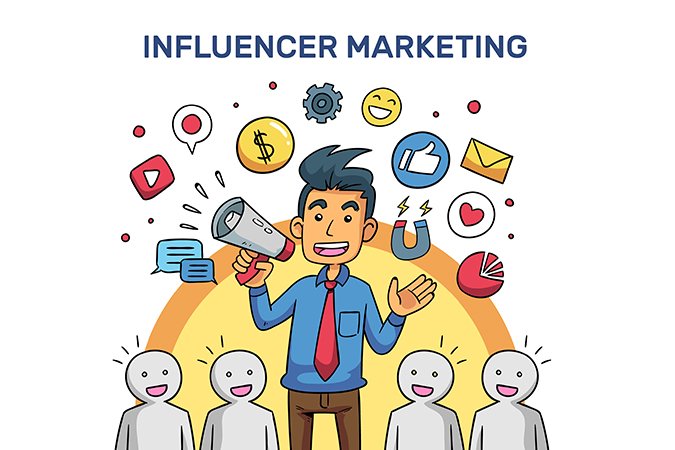
Why Influencer Marketing Works for Ecommerce
One of the biggest strengths of influencer marketing is authenticity. Unlike banner ads or sponsored posts from brands, influencer content often feels like a recommendation from a friend. This trust plays a crucial role in buying decisions.
Influencers also allow ecommerce brands to reach highly targeted audiences. Whether it’s beauty, fitness, fashion, tech, or lifestyle, influencers tend to attract followers with specific interests. This means online stores can promote products directly to people most likely to buy them.
In addition, influencer content often performs well on social platforms’ algorithms, generating organic reach that paid ads alone may not achieve.
Choosing the Right Influencers
Success in influencer marketing starts with choosing the right partners. Bigger isn’t always better. While celebrity influencers offer massive reach, micro-influencers (those with smaller but highly engaged audiences) often deliver higher conversion rates at lower costs.
Online stores should focus on:
- Audience relevance to the product
- Engagement rate rather than follower count
- Content quality and brand alignment
- Authenticity and trustworthiness
A beauty brand, for example, benefits more from a skincare influencer with 50,000 engaged followers than a general lifestyle influencer with millions.
Types of Influencer Campaigns for Online Stores
Influencer marketing can take many forms. Common campaign types include product reviews, unboxing videos, tutorials, giveaways, discount codes, and affiliate partnerships. These formats allow influencers to showcase products naturally while providing value to their audience.
Affiliate and commission-based collaborations are especially effective for ecommerce, as influencers are incentivized to drive real sales rather than just impressions.
Measuring Influencer Marketing Success
Tracking performance is essential to ensure influencer campaigns deliver results. Online stores can measure success using metrics such as website traffic, conversion rates, engagement, and sales generated through unique links or discount codes.
Many brands also monitor long-term benefits, including brand awareness and customer loyalty, which may not show immediate returns but add significant value over time.
Common Challenges and How to Avoid Them
While influencer marketing offers strong potential, it comes with challenges. Poor influencer selection, lack of clear expectations, and overly scripted content can reduce effectiveness. Audiences can easily spot inauthentic promotions.
To avoid this, brands should give influencers creative freedom while maintaining clear campaign goals. Transparency is also critical—disclosed partnerships help build trust rather than damage credibility.
The Future of Influencer Marketing in Ecommerce
As ecommerce continues to grow, influencer marketing is evolving alongside it. Short-form video, live shopping, and social commerce features are making influencer-driven sales even more seamless. Consumers can now discover a product, watch it in action, and purchase it within minutes.
In the future, long-term partnerships with influencers are likely to outperform one-off campaigns, helping brands build consistent messaging and deeper audience trust.
Final Thoughts
Influencer marketing has become a cornerstone of modern ecommerce strategy. By leveraging trust, authenticity, and targeted reach, online stores can connect with customers in meaningful ways that traditional advertising often cannot.
When done thoughtfully, influencer marketing doesn’t just promote products—it builds relationships, credibility, and long-term growth for online businesses.