


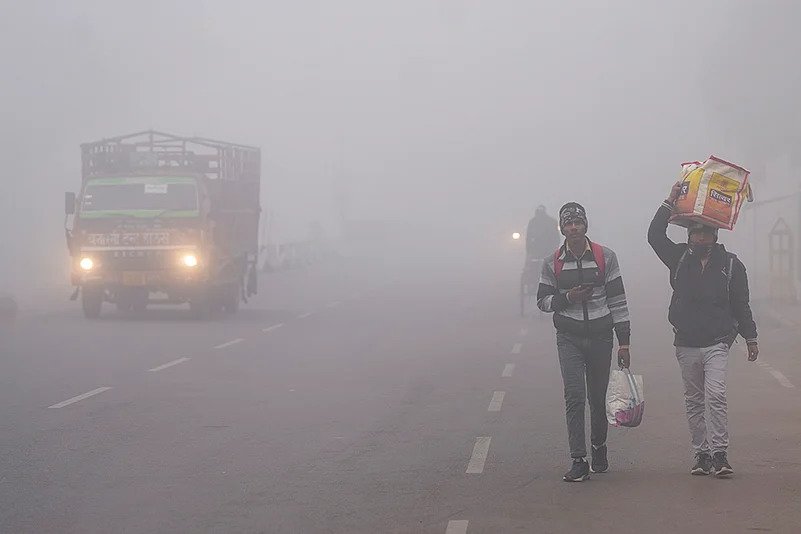
Across large parts of India, winter has tightened its grip with a severe cold wave accompanied by dense fog, turning everyday routines into daily challenges. From icy mornings in North India to near-zero visibility on highways, the current weather conditions have disrupted transport, affected health, and highlighted how vulnerable daily life can be to extreme winter patterns.
One of the most visible effects of the cold wave is the sharp drop in temperatures, especially across northern and central states. Cities such as Delhi, Punjab, Haryana, Uttar Pradesh, Rajasthan, and parts of Bihar have recorded temperatures far below seasonal averages. Cold winds have intensified the chill factor, making mornings and nights particularly harsh. For many, stepping out before sunrise now means layering up heavily just to cope with the biting cold.
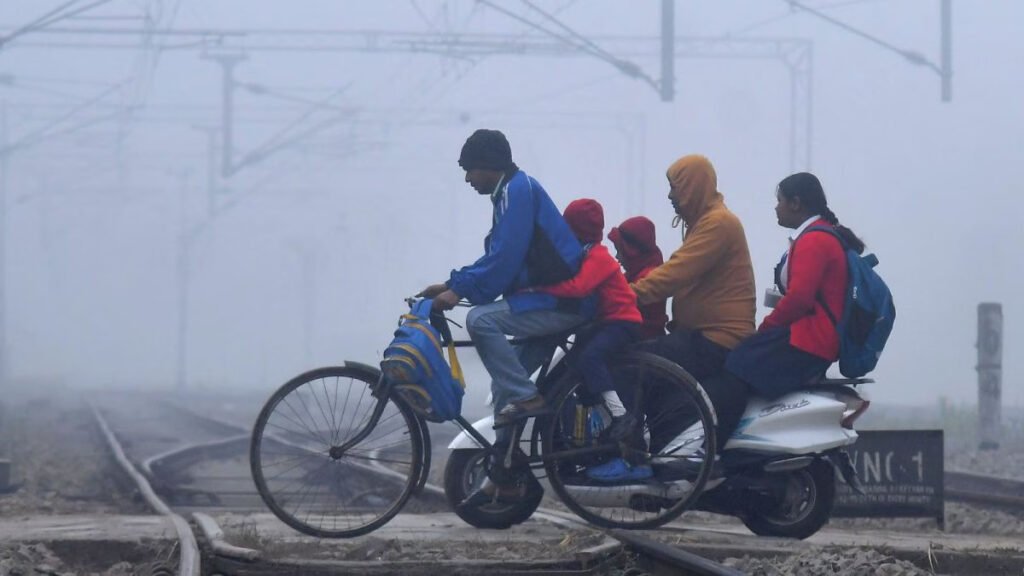
Dense fog has added another layer of difficulty. Thick fog blankets roads, rail tracks, and airports during early morning hours, reducing visibility to just a few meters in some places. As a result, hundreds of trains have been delayed, flights have faced disruptions, and road travel has become risky. Accidents caused by low visibility have increased, forcing authorities to issue repeated advisories urging people to avoid unnecessary travel during foggy hours.
The impact of this weather spell goes beyond inconvenience. Vulnerable groups such as the elderly, children, and the homeless are at higher risk of cold-related illnesses. Prolonged exposure to low temperatures can lead to hypothermia, respiratory infections, and worsening of existing health conditions. Hospitals in affected regions have reported an increase in patients suffering from cold-induced ailments, particularly breathing difficulties.
Farmers are also closely watching the weather. While cold conditions can benefit certain winter crops like wheat by slowing pest growth, excessive cold and fog can damage crops, delay harvesting, and affect productivity. Dense fog reduces sunlight, which is essential for photosynthesis, potentially impacting crop growth in the long run. This creates uncertainty for farmers who already face challenges related to unpredictable weather patterns.
Meteorologists explain that such cold waves are often caused by icy winds blowing from northern regions, combined with clear night skies that allow heat to escape from the Earth’s surface. Fog forms when moisture in the air condenses near the ground under calm wind conditions. In urban areas, pollution particles further worsen fog density, making cities especially prone to prolonged low-visibility conditions.
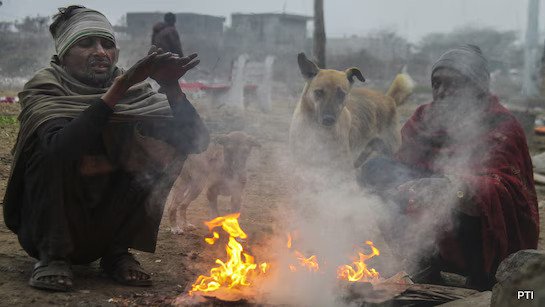
The cold wave has also drawn attention to the issue of urban preparedness. Many cities struggle to provide adequate shelter for the homeless during extreme winter conditions. Although night shelters and warming centers have been set up in several areas, gaps remain. Experts argue that stronger coordination between local governments, health services, and community organizations is necessary to ensure that no one is left exposed to life-threatening cold.
Climate experts also point out that extreme weather events—whether heatwaves in summer or intense cold spells in winter—are becoming more noticeable. While cold waves are a natural part of India’s winter, their intensity and frequency raise questions about changing climate patterns and the need for better early-warning systems.
As India continues to battle frozen mornings and zero visibility, authorities urge citizens to take precautions. Wearing proper winter clothing, limiting early-morning travel, using fog lights while driving, and checking weather advisories can help reduce risks. For communities, looking out for vulnerable neighbors can make a real difference.
In conclusion, the ongoing cold wave and dense fog have turned India’s winter into a test of resilience. Beyond disrupted travel and chilling temperatures, the situation highlights the importance of preparedness, awareness, and collective responsibility. As winter continues, adapting to these harsh conditions remains essential for ensuring safety and well-being across the country.