



Environmental, Social, and Governance (ESG) investing has evolved from a niche concept into a mainstream investment strategy over the past decade. By 2026, ESG considerations are deeply embedded in how many investors, corporations, and regulators assess long-term value. However, as ESG investing matures, it faces growing scrutiny over performance, transparency, and real-world impact.
So, is ESG investing still worth pursuing in 2026? Let’s explore the key advantages and challenges shaping sustainable finance today.
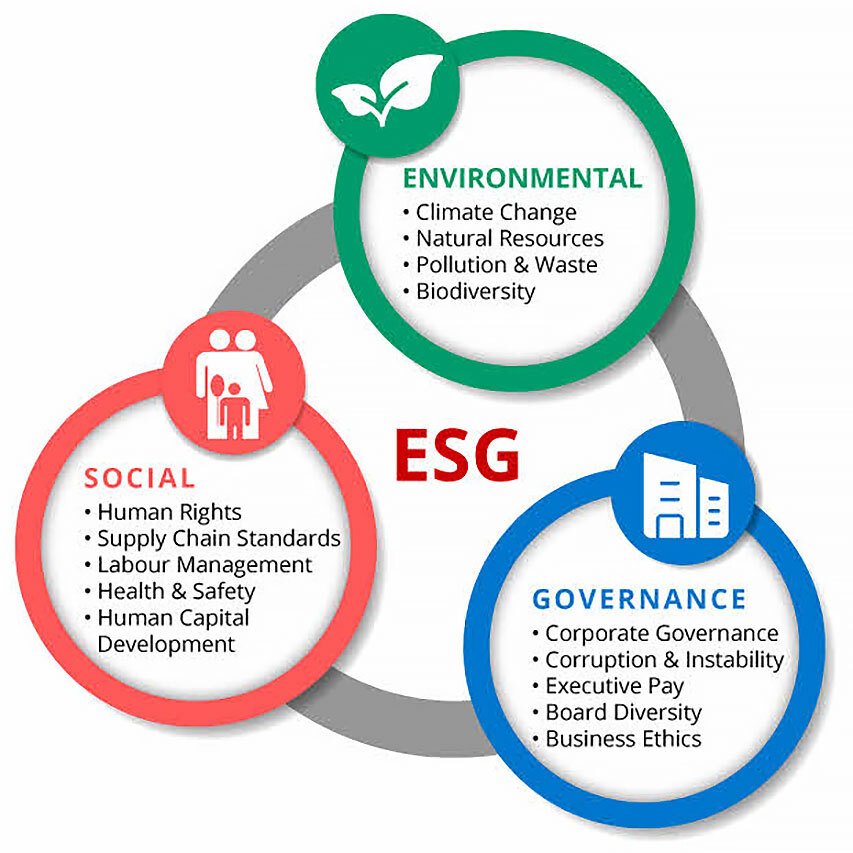
The Pros of ESG Investing in 2026
1. Stronger Focus on Long-Term Risk Management
One of the biggest strengths of ESG investing is its emphasis on long-term risk. Companies that manage environmental risks, treat employees fairly, and maintain strong governance structures are often better prepared for regulatory changes, climate shocks, and reputational crises. In 2026, as climate regulations tighten and social accountability increases, ESG-focused firms may be better positioned to adapt and survive.
2. Growing Regulatory and Institutional Support
Governments and financial regulators across the world are increasingly mandating ESG disclosures. This has improved data availability and forced companies to take sustainability more seriously. Large institutional investors, such as pension funds and sovereign wealth funds, continue to integrate ESG criteria into portfolio decisions, helping legitimize ESG as a core investment approach rather than a trend.
3. Alignment with Investor Values
ESG investing allows individuals and institutions to align their money with their values. In 2026, younger investors in particular are prioritizing issues such as climate action, diversity, fair labor practices, and ethical leadership. ESG funds give investors a way to pursue financial returns while supporting causes they care about.
4. Competitive Returns in Many Sectors
Contrary to early skepticism, ESG investments have demonstrated that ethical considerations do not automatically mean lower returns. In sectors like renewable energy, clean technology, healthcare, and responsible consumer brands, ESG-aligned companies have shown strong growth potential. For many portfolios, ESG strategies now complement traditional financial analysis rather than replacing it.
The Cons of ESG Investing in 2026
1. Inconsistent ESG Standards
One of the biggest challenges remains the lack of universal ESG standards. Different rating agencies often score the same company very differently, creating confusion for investors. In 2026, despite improved reporting rules, ESG metrics are still not as standardized or comparable as traditional financial data.
2. Greenwashing Risks
As ESG becomes more popular, some companies exaggerate or misrepresent their sustainability efforts to attract investment. This practice, known as greenwashing, undermines trust in ESG markets. Investors must work harder to distinguish between companies making genuine progress and those simply improving marketing narratives.
3. Performance Trade-Offs in Certain Markets
While many ESG funds perform well, they can underperform in sectors heavily tied to traditional energy, defense, or extractive industries—especially during periods when these sectors experience short-term gains. In volatile markets, ESG-focused portfolios may miss out on certain high-return opportunities.
4. Political and Cultural Backlash
By 2026, ESG investing has become politically sensitive in some regions. Critics argue that ESG agendas interfere with free markets or prioritize social goals over shareholder value. This backlash has led to regulatory resistance and legal challenges in certain jurisdictions, creating uncertainty for asset managers and investors.
What ESG Investing Looks Like Going Forward
ESG investing in 2026 is no longer about choosing between ethics and profits—it’s about balance. Successful ESG strategies increasingly combine sustainability analysis with solid financial fundamentals. Investors are also becoming more selective, focusing on measurable impact rather than broad labels.
Technology, better data, and stricter disclosure rules are gradually improving ESG credibility. However, investors must remain cautious, informed, and realistic about what ESG can and cannot achieve.
Conclusion
ESG investing in 2026 offers clear benefits, including long-term risk management, ethical alignment, and exposure to future-focused industries. At the same time, challenges such as inconsistent standards, greenwashing, and political resistance remain significant.
For investors willing to do their research and take a long-term view, ESG investing can still be a valuable part of a diversified portfolio. The key is not to treat ESG as a shortcut to guaranteed returns—but as one lens among many for building sustainable, resilient investments.