


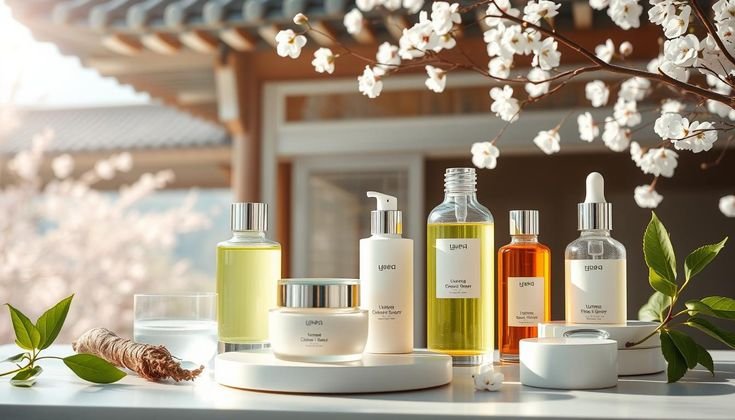
For years, the gold standard of Korean skincare was “Glass Skin”—a finish so reflective and poreless it bordered on the translucent. We spent a decade layering essences and snail mucin to achieve that high-shine, almost wet look. But as we move through 2026, the obsession with a glossy surface is being replaced by something deeper and more defiant: Bloom Skin.
The “Bloom” aesthetic isn’t about looking like a polished window; it’s about looking like a living, breathing organism. It’s a shift toward skin that is velvet-soft, resilient, and radiating health from the inside out—less “high-gloss” and more “petal-soft.”
The Rise of “Intelligent Minimalism”
The infamous 10-step routine is officially in the rearview mirror. In its place, 2026 has ushered in Skin Minimalism 2.0. We are seeing a move toward high-performance hybrids—think toner-essence fusions and sunscreen-serum blends that do the work of four products in one.
This isn’t about doing less; it’s about doing smarter. Korean labs are now prioritizing “Biotech Beauty,” using lab-grown botanicals and bio-fermented actives that mimic the skin’s natural functions. The goal is a “Cloud Skin” effect: a luminous, soft-focus finish that looks healthy even under the harsh light of a smartphone screen.
The DNA Revolution: PDRN and Exosomes
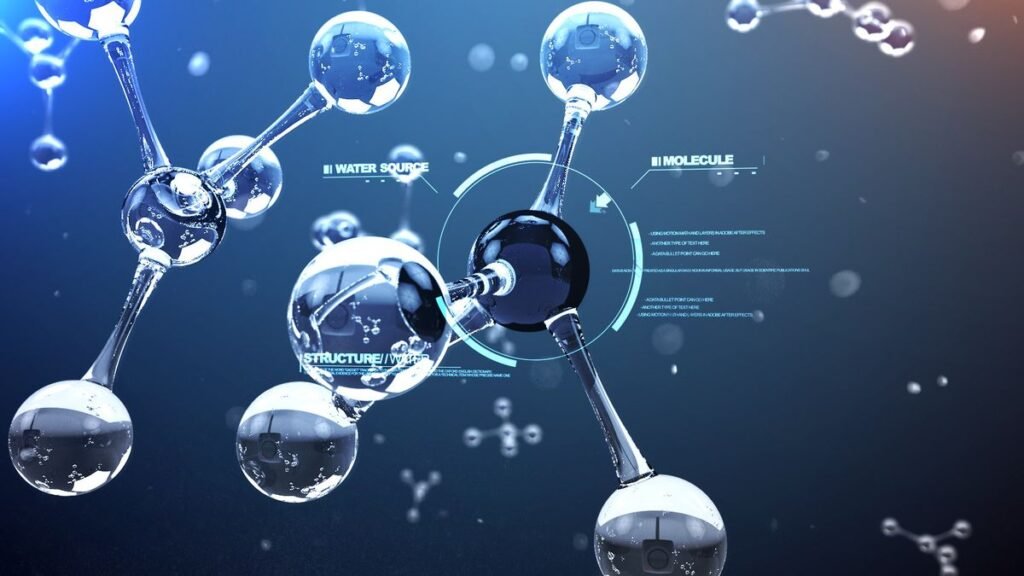
If 2024 was the year of Cica, 2026 is the year of PDRN (salmon DNA) and Exosomes. Once reserved for high-end Seoul clinics, these regenerative powerhouses have finally hit the consumer shelf.
- PDRN: Acts like a “repair signal” for your cells, calming inflammation and speeding up recovery from environmental stress.
- Exosomes: These are tiny “messenger bubbles” that tell your skin cells to behave younger. They don’t just hydrate; they instruct your skin to rebuild its own barrier.
The AI Aesthetician in Your Bathroom
The most human shift in K-Beauty is, ironically, powered by AI. We are seeing the rise of Hyper-Personalization. Brands like Amorepacific have unveiled AI mirrors that analyze your skin’s “longevity biomarkers” in real-time.
Your routine now changes with the weather. Humidity-activated serums and temperature-adaptive balms mean your skincare isn’t a static choice anymore—it’s a conversation between your environment and your biology. We aren’t just buying a “moisturizer” anymore; we’re buying a system that knows you slept poorly and adjusts its caffeine and hydration levels accordingly.

Why the “Barrier-First” Mindset Wins
The world is tired of “bullying” their skin with harsh acids. The K-Beauty revolution of 2026 is a return to Barrier Sovereignty. The focus has shifted to the microbiome—protecting the delicate ecosystem of bacteria that keeps your skin from flaring up. When your barrier is strong, the “glow” isn’t a product you apply; it’s the natural result of a skin that isn’t under constant attack.
SEO Beauty Tip: When shopping for the new “Bloom” look, search for ingredients like Spicules (liquid microneedling) and Heartleaf. These are the 2026 “hero” ingredients that provide that professional-grade resurfacing without the downtime of a chemical peel.
Editor’s Note: The Soul of the Glow
As an editor who has watched K-Beauty evolve from BB creams to AI-driven DNA repair, my takeaway is this: Technology is finally catching up to the ancient Korean philosophy of Hanbang (traditional medicine). We are moving away from “fixing” flaws and toward “supporting” life. The most beautiful skin in 2026 isn’t the one that looks the most like glass—it’s the one that looks the most alive.